A practical guide to checking accommodation, gaming, dining and other Canberra casino details without treating search terms as facts.
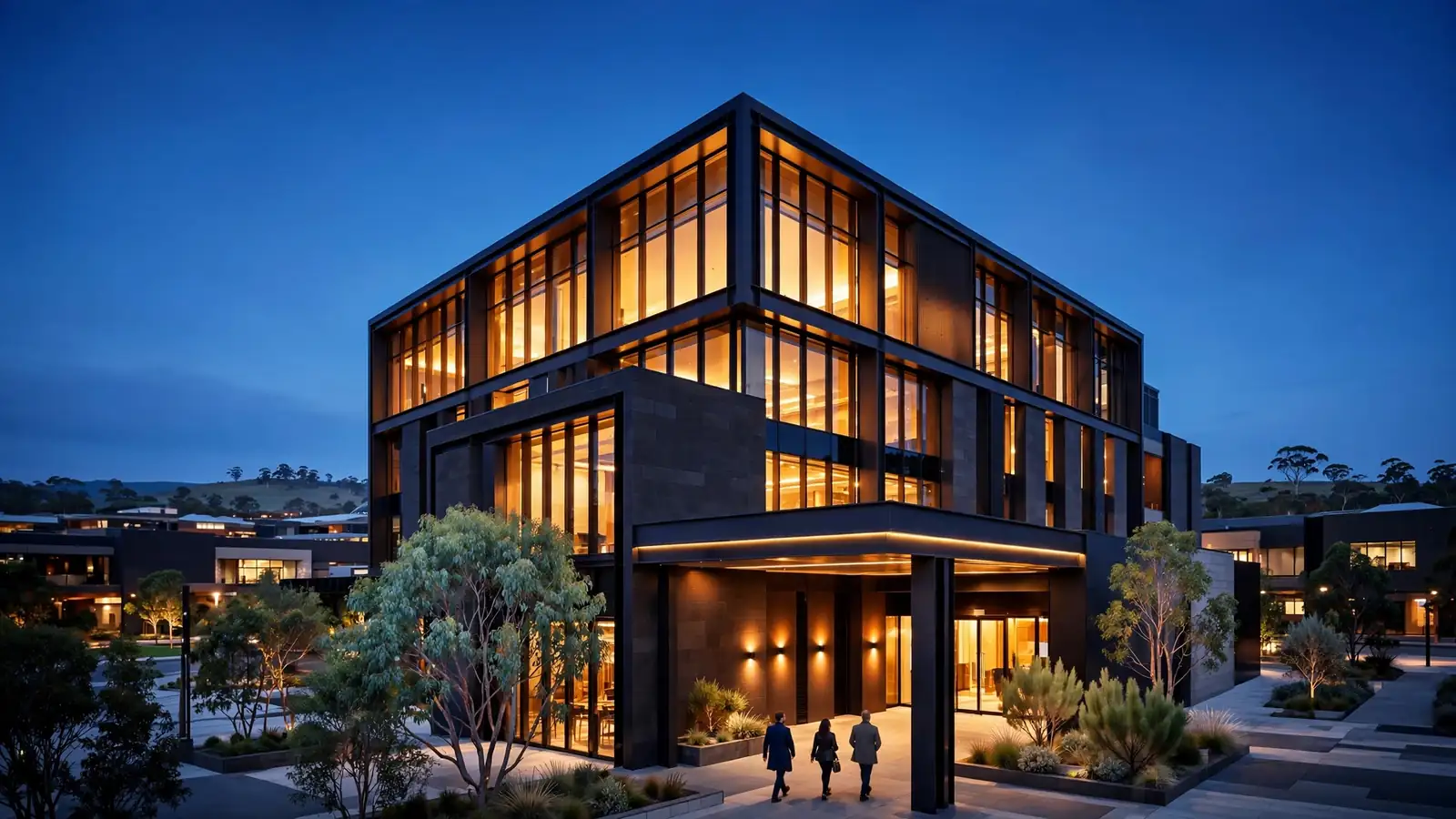
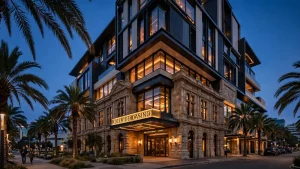
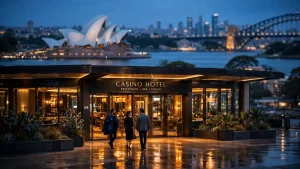
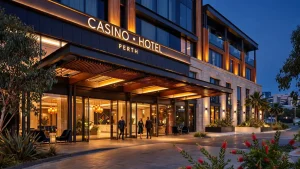
A casino hotel in Canberra is an appealingly tidy idea: a room upstairs, gaming downstairs, and no need to negotiate the city again after an evening out. But the phrase does not establish that such a property exists. A polished description would make the idea sound like an address.
That distinction matters because hotel language is concrete. “Rooms” suggests a property with bookable accommodation; “deals” suggests a rate, a date and terms. Without those particulars, a price comparison would be theatre, not useful guidance. Even a familiar-looking package can depend on dates, room type, cancellation rules and what is included. Those details belong to a real offer, not to the hope that one might exist.
The sensible starting point is to separate two questions that often blur together: whether a casino operates in Canberra, and whether that casino has its own hotel. One does not answer the other. Nor does a hotel’s proximity to a gaming venue make it a casino hotel. The label should be reserved for accommodation confirmed as part of the property or its official offer, rather than inferred from a map, a headline or a booking-page category.
Choosing an online casino while in Canberra calls for a careful look at the information available about each option. Use this list as a starting point for reviewing the details that matter to you.
Roby Casino
Roby Casino is listed with a Curacao eGaming license held by Roby Games Ltd.
DragonSlots Casino
DragonSlots Casino is listed with a Curacao Gaming Authority license held by Jumpman Gaming Ltd.
Thor Casino
Thor Casino is listed with a Curacao license from Antillephone N.V., with Versus Odds B.V. named as the operator. Its minimum deposit is EUR 20.
7Bit Casino
7Bit Casino is listed as operating under a Curacao license, with Dama N.V. as its operator.
Golden Pokies
Golden Pokies is listed with a Curacao license.
Rollero Casino
Rollero Casino is listed with a Curacao Gaming Control Board license, OGL/2023/176/0095, held by Hollycorn N.V.
MrPacho
MrPacho lists crypto payouts at 30–120 minutes and fiat payouts at 24–72 hours. Its minimum deposit is A$30.
Kingmaker
Kingmaker lists crypto payouts at around 90 minutes and fiat payouts at 1–5 days. Its minimum deposit is A$30.
JustCasino
JustCasino is listed with a Curacao Gaming Control Board license.
WinSpirit Casino
WinSpirit Casino is listed with a Curacao eGaming license, OGL/2024/923/0383, from Antillephone N.V. Its minimum deposit is A$30.
This is a small matter of wording with a larger consequence. Travel listings compress complicated relationships into badges: “near”, “partner”, “package”, “stay and play”. A badge may indicate a commercial arrangement, or merely a location chosen by an algorithm. The distinction is easily lost once a room is shown beside a casino name. Hospitality has always sold not just beds but the promise that the evening will continue smoothly. The promise still needs an actual property behind it.
For anyone comparing a possible stay, the useful details are plain and unglamorous: the accommodation provider’s full name, its street address, room descriptions, dates available, total price, and the conditions attached to cancellation or changes. If an offer claims to bundle a casino visit with a room, the booking terms should identify who supplies each part. A vague “casino hotel deal” is not enough to establish what is being sold, or by whom.
The same discipline applies to photographs and descriptions. A room pictured beside a casino logo may belong to a separate hotel; a skyline image may show no room at all. A casino-themed search result can lead to accommodation in another city, or to a general travel page that uses the phrase as a category. Neither is proof of a Canberra property. Search language is a signpost, not a keycard.
There is also a difference between a hotel that happens to be convenient for a casino visit and a hotel owned or operated as part of the casino. That difference affects who handles the booking, whether a package is genuine, and where a complaint about the room should go. Until a named property and its relationship to the venue are clear, “casino hotel” should not be treated as a description of a confirmed stay.
 Darwin Casino: Venue, Hotel and Practical DetailsReview what the article can establish about Darwin Casino, from accommodation and dining to opening hours, online searches and Australian law.
 Best Pokies in Perth: Venue Hours and What to CheckLearn why Perth gaming-floor hours need venue-specific confirmation, and how “best-paying” claims differ from what broad searches can verify.
That is not a verdict on Canberra’s hotels, and it says nothing about accommodation elsewhere in the city. It simply keeps an attractive phrase from acquiring facts it has not earned.
A stay can be recommended when the room, provider and terms are identifiable. Until then, the difference between a hotel near a casino and a casino hotel is not pedantry. It is the difference between a travel plan and a suggestion dressed for the occasion.
Poker has a particular talent for borrowing the atmosphere of a casino without borrowing the rules of its other games. At a poker table, players compete against one another; the house’s role is not the same as it is on an electronic gaming machine. That distinction matters when a name such as “poker room” is attached to a venue. It describes a kind of space and activity, not proof that either is available at a particular address.
A poker room would ordinarily mean an area arranged for live poker, with tables and a way to join a game. A tournament is more specific: players enter a scheduled competition, and play continues under stated rules until a result is reached. A cash game, by contrast, is not organised around one competition with a final winner. Those terms are not interchangeable, though listings sometimes blur them.
An area arranged for live poker, featuring tables and a way to join a game.
A scheduled competition where players enter and play under stated rules until a result is reached.
A form of poker that is not organised around a single competition with a final winner.
The practical details would make the difference between an actual tournament notice and a vague promise of poker. A useful listing would identify the game format, the start time, how entry works, whether places must be booked, and what happens if a player arrives after play begins. It would also set out the rules and any fees clearly. Without those particulars, “poker tournament” says little about what a night would involve.
There is a social ritual in tournament poker that helps explain its appeal. Players sit together, but each keeps a separate stake and makes decisions in public view; the table turns private calculation into a small performance. The format gives the evening a shape that a general gaming area does not. It also makes scheduling important. A tournament cannot be inferred from a room name, a photograph of a table, or a general casino description.
The phrase “poker room” can also be confused with accommodation. In a hotel context, “room” means a place to sleep; in a gaming context, it means a dedicated playing area. The shared word does not connect the two services. Likewise, a sports bar is a separate kind of venue feature. Its presence would not establish that poker is played there, and the existence of poker would not establish a bar’s opening hours or programme.
That is why a Canberra poker listing, if encountered, needs to be read as a specific service announcement rather than as a general promise attached to the word “casino”. The meaningful details are the game, format, schedule, entry conditions and venue address. A calendar entry can describe a one-off event; it does not necessarily establish a regular tournament series. A photograph can show a table; it does not establish that a game is currently running.
There is also a legal distinction between live poker at a physical venue and online poker services. Australia’s Interactive Gambling Act 2001 prohibits operators from providing real-money online poker to people in the country. A venue’s poker terminology should therefore not be read as an invitation to play online. The setting matters.
Searches for poker rooms, tournaments, sports bars and casino rooms gather several different ideas under one roof. Their overlap is linguistic, not proof of a shared facility. The small print does the real work.
A casino is often imagined as a single, legible destination: gaming inside, a bar nearby, perhaps a stage and a car park completing the evening. The imagined arrangement is tidy. A search for a Canberra venue, however, does not establish that any particular place offers those things, or even that the name attached to a listing identifies an operating casino. The details need to be tied to a real venue, not assembled from the familiar shape of one.
That distinction matters for the more atmospheric searches. A bar can change the character of a visit, and a concert can make a gaming venue part of a city’s night out; neither should be treated as a standing feature merely because casinos elsewhere combine entertainment with gambling. An event listing needs a venue, a date and an organiser behind it. A bar claim needs confirmation from the venue itself. Without those anchors, “casino experience” is less a description than a projection.
Baccarat and craps raise a different question. Their names are often used as shorthand for the traditional casino floor, but a game’s international familiarity says nothing about its availability in Canberra. Nor does a broad reference to gaming establish which games, if any, are offered at a particular venue. These distinctions are easily lost when a destination is described through expectation rather than current, venue-specific information.
A map pin is not proof of a casino. It may point to a building, a former business, a neighbouring business or simply a place carrying a similar name. Before treating it as a destination, the venue’s identity and address need to agree across its own current materials and reliable mapping information. That is less glamorous than a grand entrance, but more useful.
The same restraint applies to parking. A listing that marks nearby streets or a public car park does not establish that the casino provides its own parking, that access is convenient, or that any particular arrangement applies to visitors. Those are operational details, not atmospheric extras. They should be confirmed for the exact venue and visit rather than inferred from a map symbol.
Contact details deserve similar care. A phone number copied between directories can outlive the business it once described. A direct contact channel published by the venue is a stronger basis for checking whether it is operating and what facilities or events are available. If a listing offers only a name and a number, that is not enough to settle the question.
The useful picture of a casino beyond its gaming floor is therefore built from small confirmations: a named operator, a current address, a direct contact method, and specific information about the bar, games, entertainment or parking being considered. None should be supplied by assumption. Canberra deserves a real itinerary, not a venue imagined from the standard casino template.
A casino in Canberra and an online casino available from Canberra are different questions. The first concerns a physical venue; the second concerns a gambling service delivered over the internet. Similar wording can blur the distinction, but Australian law draws a firm line around who may provide online casino-style games to people in the country.
Under the Interactive Gambling Act 2001, operators based in Australia cannot legally offer real-money online casino games to people located here. That prohibition covers pokies as well as table games such as blackjack and roulette. A website’s use of casino language does not change the nature of the service, and a Canberra address or local branding does not make online casino play a lawful Australian offering.
This is separate from the rules for a physical venue. A search for casino dining, bingo or parking in Canberra may be about an in-person destination, not an internet gambling service. Online legality cannot confirm whether any particular venue exists or what facilities it provides. The distinction is less glamorous than a digital lobby. It matters more.
Legal Restriction
Under the Interactive Gambling Act 2001, operators based in Australia cannot legally offer real-money online casino games to people located in the country.
Offshore operators occupy a less straightforward position. Australian players are not generally committing an offence simply by using an offshore casino, but those platforms are not regulated under Australian law. That is the grey area: the law targets the provision of prohibited services to people in Australia, while a player’s position is different. It should not be mistaken for local approval or the protections that come with an Australian-regulated service.
The practical consequence is a gap in oversight. If an offshore operator disputes a balance, changes its terms or fails to pay, Australian gambling regulation does not provide the same local framework for resolving the complaint. A site may describe itself as licensed elsewhere, but an overseas licence does not turn it into an Australian-authorised online casino. Nor does a familiar payment symbol establish that the service is lawful or that a transaction will be accepted.
Australian gambling services that are lawful providers must hold the relevant Australian authorisation; in New South Wales, that includes an ILGA licence where applicable. Yet this should not be read as suggesting that an Australian licence can authorise online casino games prohibited by the federal Interactive Gambling Act. The federal restriction remains the central point.
The legal position also explains why “online casino in Canberra” is not simply a digital version of a local night out. Searches may bring together physical venues, internet games and services operating from overseas, but those categories do not share one regulatory status. A player’s physical location matters: the law concerns services supplied to people in Australia, not merely the country named in a website address.
For anyone considering gambling, the boundary is worth keeping clear. Offshore access is not the same as a lawful local casino service, and it brings limited avenues for dispute resolution. Gambling should not be treated as a way to cover rent or grocery costs; that hope is an illusion. Losses are not recovered by raising stakes, and a session budget should be set from money already available for leisure.
“Near” sounds precise until it has to guide a booking. A hotel may be close by map distance yet awkward to reach, while a place farther away may suit a stay better. Without a confirmed casino location, neither distance nor convenience can be assessed reliably. The sensible starting point is to establish the venue’s exact address, then compare accommodation against that point rather than against a label in a listing.
The phrase “Canberra casino accommodation” can also blur two different arrangements: rooms within a casino property and independent places to stay nearby. They are not interchangeable. A nearby hotel does not thereby become casino-affiliated, and a search result using both terms does not establish a partnership, a shuttle, or a shared booking offer. Those details matter because a photograph or promotional heading can suggest a connection that the actual terms do not support.
A deal needs more than a reduced-looking price. Its dates, cancellation conditions, inclusions and restrictions determine what is being offered. A room advertised alongside casino language may simply be ordinary accommodation marketed to people planning an evening out. Unless the offer identifies its provider and spells out its conditions, the association is a hint, not a benefit.
There is a small social history in the way these searches are framed. The imagined casino trip is rarely only about the gaming floor: it brings transport, a bed, perhaps a meal, and the wish to turn an outing into a manageable stay. Hospitality marketing understands this well. It sells a sequence, not just a room. But a sequence assembled by advertising is not necessarily a practical itinerary.
For a Canberra stay, the distinction between location and convenience deserves particular care. A map pin can show where a property claims to be; it cannot settle whether the route suits a late arrival, whether transport is available, or what the booking includes. Those questions require current details from the accommodation provider and the venue, not assumptions built from the word “casino.”
Promotions also change, and wording can outlast the offer it once described. A page that still appears in a general listing may not reflect the terms available for a particular stay. The useful comparison is therefore between the actual booking conditions, not between headline claims. If a package depends on a casino visit, that connection should be explicit rather than inferred from proximity or branding.
None of this makes nearby accommodation difficult to evaluate; it makes the order of evaluation important. First comes a confirmed venue and address. Then come independently checkable lodging details and the terms attached to any package. Only after that can “near the casino” mean something more than a convenient phrase.
A bed is a bed. The journey is the question.
Breakfast and buffet searches suggest a particular kind of casino visit: one organised around a meal as much as a gaming floor. But a phrase such as “casino resort” can make several separate things sound like one confirmed package. A resort may imply accommodation, dining and leisure facilities; the wording alone establishes none of them for Canberra. The same applies to a buffet breakfast: the term describes a style of service, not a menu, venue or current offer.
That distinction matters when planning a morning around a casino. A listing can change, and a breakfast deal may have conditions that are easy to miss: who can use it, whether a booking is needed, and whether the meal is included in a room rate or sold separately. Those details belong to the specific provider’s current information. Without them, there is no reliable basis for naming dishes, setting an opening time or describing a buffet as available.
Casino rewards can create another apparent link. A rewards programme may be associated with a venue, but its name does not show that breakfast is included, that points can be exchanged for food, or that any particular offer is active. Benefits and exclusions need to be read in their own terms. A reward is not a meal until its conditions say so.
Employment searches raise a different question: whether there are jobs at a Canberra casino and what those jobs involve. A casino workplace can include hospitality, customer service, gaming operations, security and administrative functions, but that broad description is not a vacancy notice. It should not be mistaken for evidence that a particular employer is hiring locally or that any role is currently open.
For applicants, the useful distinction is between a general picture of the industry and a specific offer of work. A live listing should identify the employer, the role and the application process. Details such as required experience, shift arrangements and employment conditions need to come from that listing, not from assumptions based on the word “casino.” Where a third-party notice repeats an opening, the employer’s own recruitment channel is the place to confirm that it remains current.
Food and employment also meet in ordinary ways: a hospitality role may involve service, preparation or venue operations. That does not establish that a casino has a restaurant, buffet or breakfast shift. The particular workplace matters.
Searches for casino breakfast, a buffet or a resort can therefore describe an expectation rather than a confirmed Canberra offering. Searches for casino jobs can describe interest rather than an open position. The careful approach is not to turn either into a promise: verify the meal and its terms with the relevant venue, and verify a vacancy with the named employer. A polished label is not the detail.
Whether a casino in Canberra is open is a question about the present, not a permanent feature of a city’s map. Hours can change; a venue may close temporarily, alter its schedule or stop operating. An old listing can preserve yesterday’s answer with admirable confidence. For that reason, “open” needs a date attached to it. A page without a recent update cannot settle what is happening today.
The same caution applies to reopening. The word suggests a sequence: closure, a decision to resume, then an actual return to business. Those stages are not interchangeable. A proposal or announcement may indicate an intention, but it does not by itself establish that doors have reopened or that regular hours have begun. The distinction is less dramatic than a headline. It is also more useful.
Events have their own calendar. A concert, themed evening or other entertainment listing belongs to a particular date and may be changed or cancelled. A venue’s general description cannot establish that a programme is currently running. Nor does a past event prove that the same entertainment will recur. In a city, the calendar is a living document; in a search result, it can become an archaeological layer.
Development is slower still. The phrase can refer to a proposed project, planning activity, construction or a completed change, each carrying a different meaning. A future-facing description should not be mistaken for a finished venue or a confirmed opening date. The built environment is governed by decisions and processes that do not become reality merely because they have been written down. Ambition is not a building.
That distinction matters to employment as well. A development announcement may lead to speculation about future jobs, but speculation is not a vacancy, and a vacancy is not evidence that a venue has opened. Employment information belongs to the point at which roles are actually advertised and their terms can be checked. Until then, predictions about staffing add little beyond the familiar confidence of a forecast.
Menus can also be mistaken for evidence of activity. A menu posted online may be old, tied to a particular event or disconnected from current service. It cannot establish opening hours, the status of the venue or what is available on a given day. A review has a similar limitation: it records an experience at a moment in time, not a standing guarantee about present operations.
For anyone assessing the casino’s current status, the meaningful signals are dated and specific: a recent notice from the operator, a current event listing, or an official statement identifying what has changed and when. These are not interchangeable with directory entries, old reviews or predictions dressed as news. Time, here, is the crucial detail. A venue’s future becomes its present only when the change has actually happened.
A venue name and a street address are not interchangeable. “Canberra casino” may describe what someone hopes to find, but it does not establish which premises, if any, that name identifies. Before travelling, the useful detail is a current address tied to the venue’s own official information—not a map result copied from an old listing or a similarly named business. A pin can be precise and still be wrong.
That distinction matters in a city where a plan often depends on more than reaching the right suburb. An address should be checked against the venue’s current contact details, then matched to the intended entrance or building. If the listing gives only a broad area, it is not enough to settle where a car should stop or where a walking route should end. Small practicalities, large consequences.
The same restraint applies to spa searches. A spa is a particular service, not a synonym for a hotel, a pool or a general leisure facility. Its presence cannot be inferred from a casino label, nor can treatments, access arrangements or booking requirements be assumed from a photograph or an old directory entry. Those details belong to the operator’s current description. Without it, a spa visit is a possibility in the abstract, not a feature to plan around.
Dress codes are more social than architectural. They draw a line between the clothing considered suitable for a place and the clothing that may be turned away at the door. That line can differ between a gaming floor, a bar and an event space, even under one roof. A broad claim that a venue is “smart casual” would be little help if a particular area applies another standard. The sensible check is the current policy for the specific space and occasion, including any rules about footwear or clothing with offensive imagery.
Address, amenities and dress rules are mundane details until they are not. They shape whether an outing works, and they are precisely the details most easily distorted when listings are repeated without dates or context. The same caution holds for related searches about bars or games: a phrase attached to a place does not, by itself, confirm a facility or what it offers. Reliable planning starts with the venue’s own current particulars. No guesswork required.
A restaurant associated with a casino can mean several different things: a dining room inside the venue, a business in the same building, or an independent restaurant nearby. Search results often place these categories side by side, though they answer different questions. A name appearing beside a casino listing is not, by itself, evidence that the restaurant is part of the casino.
That distinction matters in Canberra, where a request for restaurants at the casino may be intended to settle a simple practical point: whether dinner can be planned as part of a visit to a particular venue. The word “at” carries more weight than it appears to. It suggests shared premises and may imply common access, hours or booking arrangements. None of those follows merely from a restaurant’s proximity or from a listing that groups businesses together.
A rooftop bar raises a similar problem. The phrase can describe a venue’s own hospitality space, a separate business with a view, or simply a result associated with the same part of the city. Without a clearly identified operator and location, it cannot be treated as a confirmed casino amenity. A striking label is not a floor plan.
For anyone comparing options, the useful details are the ordinary ones: the restaurant’s exact name, its address, who operates it, and whether its current listing places it inside the casino or elsewhere. Menus, booking arrangements and opening times should be checked against the restaurant’s own current information rather than inferred from a casino reference. Businesses change; search listings can lag behind them.
There is also a difference between “near the casino” and “in the casino”. Nearby dining may involve a separate journey, separate opening hours and a separate booking. On-site dining, if available, would be a different proposition. Treating the two as interchangeable can turn a convenient-sounding plan into a small logistical puzzle.
The broader point is less glamorous than a rooftop view, but more useful: a casino’s name does not establish what restaurants it contains. A reliable restaurant choice depends on a traceable business and a current location, not on an association created by a heading or map result. In Canberra, that distinction keeps the dining question grounded in what a particular venue actually offers, rather than in what its name seems to promise.
Food and a pool are different kinds of casino expectation. One is part of a visit’s practical rhythm; the other can turn a gaming venue into a resort in the imagination. Neither expectation, however, establishes what a Canberra casino actually provides.
A food court would imply a particular arrangement: several food outlets grouped around shared seating, with choices that can suit different schedules and appetites. The phrase “casino food court” may sound like a useful shorthand, but it is not confirmation of such a facility. Nor does a general reference to food establish what is served, where it is available, or whether it is connected to the casino at all. Those details need current confirmation from the venue before they shape a plan.
The same caution applies to a pool. A casino pool might mean a hotel amenity, a leisure facility, or simply an assumption carried over from resort-style properties elsewhere. A search for a Canberra casino pool cannot settle which, if any, is meant. Treating the idea as a confirmed feature would turn a familiar image into an invented detail.
This is a small distinction with practical consequences. Travel plans often collect assumptions quietly: a meal between activities, a swim before check-in, a place for everyone in a group to gather. When those assumptions concern unconfirmed facilities, the sensible step is to check the casino’s own current information or contact the venue directly, rather than relying on a label or an old listing.
The broader point is modest. “Casino” describes a type of venue, not a promise of every amenity associated with one. Food and a pool may be part of some casino complexes; the words alone do not show that they are part of this one. Better to keep the itinerary open than to arrive expecting facilities that were never established.