A practical look at accommodation, food, facilities and the limits of what a casino search can establish.
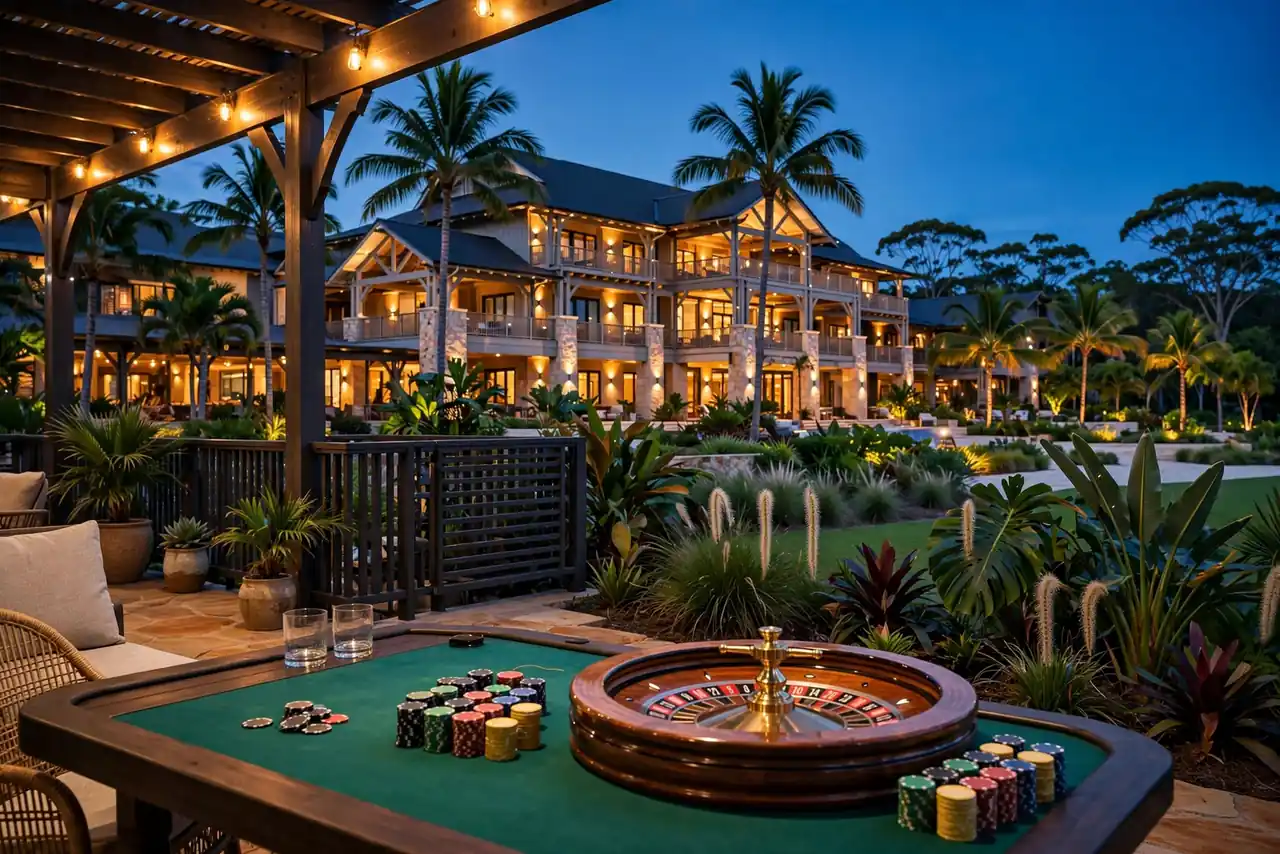
A casino hotel suggests a particular kind of trip: the room and the gaming venue belong to one plan, rather than being separate stops joined by a taxi ride or a walk. That distinction matters in Queensland, where the phrase can describe either accommodation operated as part of a casino resort or an independent hotel chosen for its proximity to one. The two may look similar in a booking result. They are not the same arrangement.
For a stay built around the venue, the practical question is whether the accommodation is genuinely on site. A hotel’s name, a casino-themed photograph or a location described as “near” a casino does not establish that the room is within the same complex. Nor does it show that guests receive any special access or service. Those details have to be confirmed by the property itself, not inferred from the wording of a listing.
The distinction also shapes what a room search can reasonably promise. “Casino hotel rooms” may bring to mind a view over the gaming floor, a suite, or a room bundled with other resort features. But a search phrase is not a room inventory. Without confirmation from a named property, there is no sound basis for describing particular room types, views, facilities, or availability at a Queensland casino. The room is a product with its own conditions, not an automatic extension of the casino’s identity.
For Queensland players considering online casinos in 2026, checking the available operator and payment details can help frame a choice. Use the information below as a starting point for your own checks.
Roby Casino
Roby Casino is listed with a Curacao eGaming license held by Roby Games Ltd.
DragonSlots Casino
DragonSlots Casino is listed with a Curacao Gaming Authority license held by Jumpman Gaming Ltd.
Thor Casino
Thor Casino is listed under a Curacao – Antillephone N.V. license, with Versus Odds B.V. as the operator. Its minimum deposit is EUR 20.
7Bit Casino
7Bit Casino is listed as operated by Dama N.V. under a Curacao license.
Golden Pokies
Golden Pokies is listed with a Curacao license.
Rollero Casino
Rollero Casino is listed with Curacao Gaming Control Board license OGL/2023/176/0095, held by Hollycorn N.V.
MrPacho
MrPacho lists crypto payouts at 30–120 minutes and fiat payouts at 24–72 hours. Its minimum deposit is A$30.
Kingmaker
Kingmaker lists crypto payouts at around 90 minutes and fiat payouts at 1–5 days. Its minimum deposit is A$30.
JustCasino
JustCasino is listed with a Curacao Gaming Control Board license.
WinSpirit Casino
WinSpirit Casino is listed with Curacao eGaming license OGL/2024/923/0383, held by Antillephone N.V. Its minimum deposit is A$30.
The same caution applies to deals. A casino hotel offer might mean a room rate, a package, or a promotion with conditions attached; the label alone says nothing about what is included. Dates, cancellation rules, exclusions and any connection between a room booking and casino activity would need to be stated by the operator. A lower headline price can be a poor guide if the conditions alter the value of the stay. No particular Queensland casino hotel deal can be treated as current or available without a property’s own published terms.
That is not merely a matter of careful shopping. A casino resort sells an idea of continuity: arrive, check in, and spend the evening without needing to reorganise the trip around separate locations. When that promise is real, the convenience comes from the arrangement of the property, not from the word “casino” appearing in a hotel description. When the accommodation is independent, the stay may still suit the same itinerary, but it remains a separate booking and a separate service.
This is why “casino hotel in Queensland” and “hotel near a Queensland casino” should not be read as interchangeable descriptions. The first implies a relationship between the venue and the lodging that needs to be established. The second is about location, and even then, “near” is not a measure of walking time or transport convenience. A booking page’s map and the accommodation provider’s details are more useful than a polished label.
 Best Casino in Sydney? What to Check Before BookingLearn how to distinguish accommodation on a casino property from a nearby hotel, and which room and booking details still need confirmation.
 Darwin Casino: Venue, Hotel and Practical DetailsReview what the article can establish about Darwin Casino, from accommodation and dining to opening hours, online searches and Australian law.
A sensible comparison begins with the property name and its own description: who operates the hotel, where the rooms are, what the quoted rate covers, and which conditions apply. If those points are unclear, the listing has not yet answered the important question. The casino may be the reason for the trip; it does not, by itself, guarantee an on-site stay, a particular room, or a worthwhile offer.
That distinction is easy to miss in travel language, where proximity is often made to sound like belonging. A hotel can be close to a casino without being part of it, and a casino can be associated with resort accommodation without every room or rate being available to every guest. For Queensland, a specific property and its current terms are essential before any hotel claim can be made. No implied package.
Poker and pokies share a casino vocabulary, but not a game. Poker is played against other people, with rules shaped by cards, betting and decisions at the table. Pokies are Electronic Gaming Machines (EGMs): each game runs separately, rather than forming a contest between players seated together. A venue’s gaming floor, then, is not evidence of a dedicated poker room.
Electronic Gaming Machines (EGMs) common in Australian casinos and clubs, distinguished from card-based poker by being independent electronic games rather than contests between players.
The distinction matters because “poker at a Queensland casino” can mean several things: a cash game, a scheduled tournament, or simply poker-themed machines. Those are not interchangeable facilities. A tournament also has its own structure and calendar; it cannot be inferred from the existence of a casino, any more than a bar’s presence would establish a sports screening schedule. Names travel easily. Operating details do not.
There is a particular history in the phrase “poker machine”. It describes an electronic game, not a machine that hosts a hand of poker. The colloquial Australian term pokies makes the difference clearer, though the older label remains embedded in regulation and everyday speech. Casinos and clubs have long placed these games within the broader social world of gambling; the word poker can consequently point toward a card table in one conversation and an EGM in another. A small linguistic muddle, with practical consequences.
Tournament claims need the same care. A Queensland casino poker tournament would be a specific organised event, not a general feature that can be assumed from a venue’s name. Dates, formats, entry conditions and whether an event is running are matters that can change. A past event does not establish a present programme, and a reference to poker rooms does not establish that a tournament is under way.
The word “rooms” can also pull in a different direction. It may suggest hotel accommodation rather than a room for card play, especially when paired with a casino name. These meanings should not be collapsed. A hotel stay, a poker room and a gaming floor are separate parts of a venue’s possible offer; one does not certify the others. Nor does a sports bar phrase establish that a bar exists on site or that it screens a particular match. Such details belong to a venue’s current operating information, not to inference.
 Adelaide Casino Hotel: Rooms and Stay DetailsLearn how to check whether accommodation is offered by Adelaide Casino or by a nearby property, and what to verify on booking…
 Hobart Casino: Poker, Stays and FacilitiesLearn how poker rooms, tournaments and pokies differ, and which searches about stays, dining and facilities remain unconfirmed by the available information.
Online poker is another category again. Under the Interactive Gambling Act 2001, operators based in Australia cannot provide real-money online poker to people located in Australia. That legal restriction concerns online services; it should not be confused with the question of whether a physical venue hosts card play. The boundary is important: the same game name can sit within very different rules depending on where and how it is offered.
For anyone comparing Queensland venues, the useful distinction is between a stated facility and a broader gaming label. A dedicated poker room, a tournament calendar, poker-themed EGMs and a sports bar each require separate confirmation. Treating them as one package would turn a familiar casino image into a promise. Casinos have never lacked for atmosphere. Specifics are harder.
Breakfast and buffet searches belong to a familiar picture of the casino resort: a place where a meal, a room and an evening’s entertainment might be gathered under one roof. The picture is persuasive because it turns a venue into an itinerary. Yet the word “resort” is not a menu, and a casino’s name alone does not establish that breakfast or a buffet is served there.
That distinction matters in Queensland, where the phrase “casino breakfast” can point to a specific practical expectation: a morning meal connected with a visit or stay. A buffet breakfast suggests something more particular still—a self-service meal with a range of dishes. Without confirmed details of a venue’s food service, neither the format nor its availability can be taken for granted. A search phrase is an expression of interest, not proof of a service.
A search phrase for a casino breakfast or buffet is an expression of interest, not proof of service; availability and format must be confirmed by the venue.
The same applies to buffet dining more broadly. The word often carries an idea of abundance and informality, a meal designed for people with different tastes and schedules. It also carries practical questions: when it is served, whether it is open to visitors who are not staying at the property, and what it costs. Those details can change, and none follows automatically from the word “casino” or “resort.” Naming a meal as though it were on offer would turn a familiar association into an unsupported promise.
Resort language adds another layer. It suggests a complete setting, not simply a gaming floor: food, accommodation and leisure arranged as parts of one visit. That is a useful way to understand what people may mean when they look for a Queensland casino resort. It is not, by itself, evidence that any particular facilities are available or that a casino operates as a resort in the full sense of the word. The image is larger than the label.
Rewards programmes sit naturally beside that image. In the hospitality trade, loyalty language implies recognition for repeat custom, perhaps linking different parts of a visit. But the phrase “casino rewards” cannot establish what a programme includes, who can join, how points are earned or whether food purchases qualify. Those are terms to be read as terms, not guessed from the promise of a reward. The word sounds generous; the conditions do the accounting.
There is a social history in the appeal of the package. Resorts promise to compress a night out into a destination, while loyalty schemes try to make return visits feel like membership rather than repetition. Breakfast, meanwhile, turns leisure into a schedule: the morning after becomes part of the experience. This is ordinary commercial design, not a guarantee of any particular Queensland offering.
 Casino Hotels in Western Australia: Stay or Online?Learn how casino stays, venue facilities and online gambling differ, including why a hotel booking is separate from an online casino account.
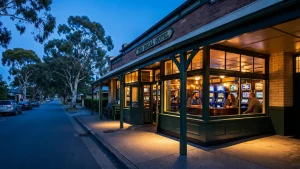 Best Pokies in Geelong: Checking What's OpenLearn why Geelong pokies listings can point to venues but cannot confirm current access, machine availability or temporary closures.
Employment searches belong to the same broader picture, though they ask a different question. Someone looking for casino work is not asking about a buffet; they are asking whether a venue is hiring and what roles exist. A casino’s presence does not confirm current vacancies, job titles or conditions. Those require a current recruitment notice from the employer.
For a Queensland visit, the soundest distinction is between the experience people imagine and the services a venue actually lists. Breakfast, buffets, resort facilities, rewards and jobs are separate matters, each with its own details. A polished package may be the idea. The particulars are the point.
A visit to a casino is partly a matter of rooms, tables and meals, and partly the unromantic business of arriving. Parking belongs to that second category. Whether a Queensland casino visit involves a car park, valet service or a search for free parking can shape the practical cost and timing of an evening; none of those arrangements should be assumed from the word “casino” alone. A venue’s name does not tell a driver where to leave a car.
That distinction matters because a physical casino and an online casino are not two versions of the same service. One is a place people travel to; the other is a remote gambling service delivered over the internet. The phrase “Queensland casino” may point to either, but the law draws a firm line around online casino games offered to people in Australia.
Legal Restriction
Under the Interactive Gambling Act 2001, operators based in Australia are prohibited from providing real-money online casino services to people located within Australia.
Under the Interactive Gambling Act, an operator based in Australia cannot offer online casino services to people located in the country. That prohibition covers the service, not merely a particular game or payment method. A locally run website cannot make online casino gambling lawful by presenting it as an extension of a venue, a dining destination or a resort experience. A physical address and a digital lobby belong to different legal categories.
Offshore platforms complicate the picture, but they do not fill the gap with Australian regulation. Their use by Australian players is not itself treated as a local offence, yet those platforms are not regulated under Australian law. That leaves a substantial difference between “not prohibited for the player” and “protected by a domestic regulator.” The distinction is easy to blur in advertising language, and difficult to recover when a dispute arises.
The internet is often described as borderless, but access is not the same as oversight. A platform may be visible from Australia without being subject to Australian rules for online casino services. Conversely, a venue’s physical presence in Queensland says nothing by itself about whether an online operation bearing a similar name can lawfully serve people there. Geography still has its bureaucratic uses.
Parking questions sit at the opposite end of the same practical divide. They concern the journey to a physical place: whether a car is needed, where it can be left, and what the arrival will involve. Dining and bingo belong to the venue’s on-site experience; online casino play belongs to a separate legal framework. Combining all of these under one casino label makes for tidy browsing, but not for clear distinctions.
 Brisbane Casino Guide to Hotels, Dining and DetailsExplore how casino-hotel listings differ from nearby accommodation, plus what to check on rooms, dining, parking, rewards and venue services.
 Best pokies in Brisbane: what rankings can showLearn how Brisbane venue searches and opening-hour checks differ from claims about game quality. Some casinos can choose different RTP settings for…
For anyone weighing a Queensland casino visit, parking is a venue-specific detail rather than a feature that can be inferred from the state or the word “resort.” Online casino access is different: Australian-run operators are barred from providing those services to people in Australia, while offshore platforms remain outside domestic regulation. One question is about getting to a door. The other is about what lies beyond a screen—and who, legally, stands behind it.
A stay near a casino is not the same thing as a room inside one. The distinction matters: an accommodation listing may be close to a venue without being operated by it, and the word “casino” in a booking description does not establish a formal connection. For anyone comparing places to stay in Queensland, the first useful question is therefore not whether a property uses casino language, but where it is and who runs it.
Queensland is a state, not a single address. A request for accommodation near a Queensland casino needs a particular venue or locality before “near” can mean anything practical. Without that anchor, listings cannot be sensibly compared for distance, transport or neighbourhood. The map pin, street address and property name do more work than the promotional label.
The same care applies to accommodation deals. A displayed price or package can be tied to dates, room conditions or cancellation rules that are easy to miss when the headline is doing its best work. The details worth checking are ordinary ones: what the quoted rate includes, whether payment is due in advance, what happens if plans change, and whether the booking is made with the property or an intermediary. These are not casino benefits; they are terms of a lodging arrangement.
“Casino accommodation” can also blur two separate ideas. It may mean a room at a casino-operated hotel, or simply a place to sleep while visiting a casino elsewhere. Those are different searches, with different expectations about location, facilities and responsibility for the booking. A nearby independent property does not become part of a casino resort by appearing beside it in a results page. Branding is not a floor plan.
Promotions require similar restraint. A casino promotion and an accommodation offer are not necessarily the same offer, and one should not be inferred from the other. A package may have conditions attached to each element, or may not include lodging at all. The wording of the actual terms matters more than a broad “deal” label. A bargain in the headline can become a fairly ordinary booking once the conditions are read.
For a useful comparison, the order is simple: identify the venue and its exact location, then check the accommodation’s address against it; read the property’s own description and booking terms; and confirm that the dates and cancellation conditions suit the stay. If transport is part of the plan, that too should be checked against the property’s stated location rather than assumed from a casino reference. No proximity claim should substitute for an address.
There is a wider point in the language of these searches. A casino can act as a landmark, a destination or a commercial brand, but those roles do not make the surrounding accommodation one unified service. The nearby room belongs to the provider named in the booking, under that provider’s conditions. That is less glamorous than a resort package. It is also clearer.
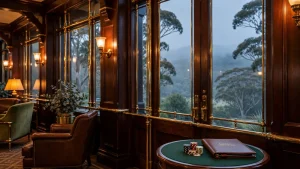 Tasmania Casino Hotels: What the Search Can EstablishThis guide separates venue visits from online gambling and explains why hotel rooms, deals and amenities need confirmation at the source.
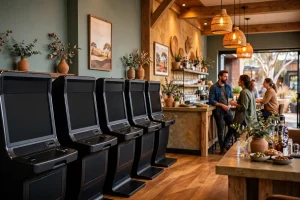 Pokies in South Australia: what the odds can tell youLearn how independent RNG outcomes differ from venue opening claims, online legality and gaming oversight in South Australia.
A casino contact number is useful only when it belongs to the venue itself. Search listings can be outdated, copied from other directories or attached to a business with a similar name. For a Queensland casino, the dependable route is to identify the venue’s official website independently and use the contact details published there. A number repeated across third-party pages is not, by repetition alone, confirmation.
The same caution applies to maps. A map pin can help distinguish a venue from a hotel, office or similarly named business, but it does not establish which services are operating inside. Contact details and a location marker answer different questions: one connects to an organisation; the other points to a place. Neither confirms the current availability of a particular table game, bar or other facility.
That distinction matters for searches about baccarat and craps. These are names of casino table games, not evidence that a Queensland venue offers them. A physical casino and an online casino service are also not interchangeable. A venue’s contact page may help with questions about its own facilities, but it cannot make an online gambling service lawful.
In Australia, the Interactive Gambling Act 2001 prohibits operators from providing real-money online casino games to people physically located in the country. The prohibition covers casino-style games including blackjack, roulette, poker and pokies. It applies to the online service, not simply to whether a game resembles one that might be played at a physical venue. A search for online baccarat or craps therefore raises a different issue from asking a venue whether it has a particular table.
Attention: A venue's physical presence in Queensland does not mean that an online operation with a similar name is lawfully permitted to serve customers in Australia.
The law draws a clear line. An operator based in Australia cannot provide online casino games to Australian customers. Naming a game in a listing, or finding it on a website, does not alter that rule. Nor does a venue’s existence establish that its online counterpart is permitted to serve people in Australia.
Bar-related searches are more ordinary, though still dependent on the specific venue. A bar is a physical amenity; its opening, location and service details need to come from the venue’s own current information. A directory entry may be a starting point, not a reliable answer about what is available on a given day. The distinction is modest but useful: a contact page can be checked against the organisation, while a generic listing may leave the identity unclear.
For someone trying to reach a Queensland casino, the practical question is therefore not merely which number appears first. It is whether the number is published by the venue itself and whether the enquiry concerns a physical service or an online gambling product. Those categories meet in the same search box, but the law treats them differently. A real place does not make every digital version lawful.
“Open” can describe more than a door unlocked for the evening. It may mean a casino is operating after a closure, accepting visitors during ordinary hours, or reopening parts of a larger property while work continues elsewhere. Those are different states, and a broad reference to Queensland does not identify which one applies. Opening times and access arrangements belong to a particular venue and date; old listings can linger long after circumstances change.
 Canberra Casino Guide: Hotels, Gaming and Practical ChecksLearn what can be confirmed about Canberra casino stays, poker and nearby amenities, and which hotel, food and online-gambling claims need checking.
 Best Pokies in Tasmania: Hours, Venues and Search LimitsLearn why venue opening hours do not confirm gaming-machine availability, and how to interpret Tasmania searches without treating them as a verified…
Reopening carries its own ambiguity. The word may refer to a return after a temporary closure, a staged resumption of services, or the public opening of a newly developed space. Without a named venue and a dated announcement, those meanings cannot be collapsed into one confident claim. A casino’s presence in a directory is not proof that it is open today. Nor does a past reopening notice establish its current operating status.
Development adds a civic dimension to the question. A casino is not only a destination but a large property, shaped by planning decisions, investment and the surrounding district. Announcements about proposed work describe intentions; approvals, construction and completed projects are separate stages. A headline can make those stages look interchangeable. They are not.
Employment searches sit alongside development for a reason: buildings imply work, but a project announcement is not a vacancy notice. Roles, hiring periods and conditions change, and the useful distinction is between general interest in casino employment and an active position at a particular employer. A current careers page or formal recruitment notice is more meaningful than an old article about expansion. The language of opportunity often arrives before the jobs do.
Entertainment and event listings are similarly perishable. A scheduled performance or function has a date, and a past listing does not establish a recurring programme. The practical record is the venue’s own current calendar, where changes and cancellations can be reflected. Even a calendar needs a date stamp; “coming up” is a temporary phrase.
Reviews also have a short shelf life when they describe atmosphere, service or operating arrangements. An account from one visit may preserve a useful impression, but it cannot stand in for a current notice about access or events. The distinction is modest, yet important: recollection is not a timetable.
For anyone trying to establish whether a Queensland casino is open, the reliable unit of information is therefore not the general label but the named venue, the specific date and an up-to-date official notice. Development records answer a different question; recruitment pages answer another; event calendars answer a third. One building, several clocks.
An address is more than a pin on a map. It identifies which building, operator and local rules belong to a name that can otherwise sound like a destination in its own right. “Queensland casino” is not enough to establish a street address: Queensland is a state, and a venue should be identified by its exact name before directions or practical details are treated as reliable. A listing copied across travel pages may look precise while leaving that basic point unresolved.
The same care applies to dress. A dress code is a venue policy, not a dependable inference from words such as “casino”, “resort” or “bar”. Such labels carry expectations—polished interiors, evening clothes, a certain public performance of leisure—but expectations are not entry rules. Without a policy tied to the specific venue, it would be misleading to say that a particular outfit is required, permitted or refused. The difference matters most when a visit involves several spaces, since a rule for one area need not describe the whole property.
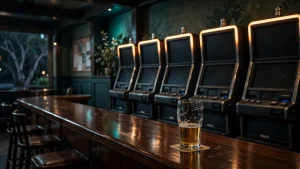 Best Pokies in Adelaide: What Rankings Can Tell YouLearn why machine rankings cannot predict payouts, and how venue hours, location, payment costs and legal limits shape Adelaide pokies searches.
 Victoria Casinos: Verified Facts and UnknownsSee what is—and is not—verified about Victoria casino hotels, poker, dining, parking and practical services; state rules cover land-based casinos.
The spa question belongs to another familiar piece of resort language. A day spa can suggest a quiet counterweight to the bright, social theatre of gaming, and the two are often imagined as parts of one escape. But a casino’s name or resort associations do not establish that a spa operates there. Nor does a reference to bars prove which bars are open, where they are, or what their access arrangements might be. Those details require a venue-specific source, not atmosphere.
Careers searches raise a related distinction: a search for work connected with a casino is not evidence that a particular employer is recruiting. Roles, hiring arrangements and application routes belong to the operator or the relevant business, rather than to the building’s reputation. The same principle holds for games. A venue’s name alone does not establish which games it offers or where they can be played.
This is less satisfying than a neat address, a dress rule and a list of amenities. It is also more useful than filling the gaps with familiar resort imagery. Queensland’s casino landscape should be approached as a set of specific places and policies, not as one imagined property with every feature associated with the word “casino.” The details need a name attached. Otherwise, certainty is only decoration.
Dress codes are venue-specific policies; expectations associated with "casino" or "resort" labels are not substitute for official entry rules.
Restaurant listings do more than settle where dinner might happen. They suggest a particular kind of evening: a meal as part of the venue, rather than food as a practical stop between other plans. That distinction helps explain why searches for restaurants at a Queensland casino often sit beside more specific interest in a rooftop bar. The setting is part of the appeal; the name on the menu is only one piece of it.
But a casino’s location does not establish which restaurants operate there, what they serve, or whether a rooftop bar is part of the property. Those details need to come from current venue information, not from the broad label “Queensland casino.” Queensland is a state, not a restaurant directory, and a search for a casino in Queensland can leave the intended venue unclear.
There is also a difference between a restaurant inside a casino complex and one nearby. The first may be part of the same visit; the second belongs to the surrounding neighbourhood, even if it is an easy addition to an evening out. Search results can blur that boundary, particularly when listings use “near” and “at” loosely. A map pin or an attractive photograph cannot, by itself, settle whether a venue is on-site.
The rooftop-bar phrase carries its own promise. Height and an open outlook can make an ordinary drink feel like an occasion, but the phrase is not proof of a rooftop, a bar, or a current service. The same restraint applies to restaurant names and menus: neither should be inferred from the casino label alone. Venues change, and hospitality listings can outlive the businesses they describe.
For anyone comparing options, the useful questions are concrete: whether the restaurant is within the casino property, whether it is currently operating, and whether its own listing describes the food and booking arrangements. Those checks are more reliable than assuming that every large casino has the same collection of dining rooms. The category is not the evidence.
A restaurant can shape the memory of a casino visit as strongly as the gaming floor, because meals give the evening a rhythm and a place to pause. Yet the answer to “what restaurants are at a Queensland casino?” depends on the particular venue and the date. Without those two anchors, a confident list would be theatre. The menu comes first; the assumption does not.
Food and a pool belong to different parts of the casino-resort idea. One is a service people may expect near the gaming floor; the other suggests a leisure facility, perhaps attached to a hotel. Neither expectation establishes what a particular Queensland venue provides.
A food court has a more specific meaning than food being available somewhere on a property. It usually describes a shared dining area with several counters and common seating. That distinction matters: a casino might have dining options without having a food court, and a food court, where one exists, would not tell anyone what food is served, when it is available or whether it sits within the casino itself. Those are practical details, not decorations.
The pool question carries a similar ambiguity. A pool could be part of a hotel or resort, rather than an amenity open to casino visitors generally. Even a pool on the same property would not by itself establish access rules, operating arrangements or whether entry is included with a stay. The boundary between casino, hotel and resort is often blurred in promotional language; on the ground, it can decide what a visitor can actually use.
For anyone comparing a Queensland casino’s facilities, current venue information is the necessary check before making plans. Food outlets and leisure amenities can change, and a broad label such as “resort” is not a reliable inventory. There is little value in treating a hoped-for poolside meal as part of the itinerary until the venue confirms both the facility and the terms of access.
That modest caution is less glamorous than a promise of easy dining or a swim between sessions. It is also more useful. A casino is a place of entertainment, but its surrounding conveniences are separate services, each with its own boundaries.