A venue’s general trading schedule and the availability of its electronic gaming machines are separate details that may need direct confirmation.
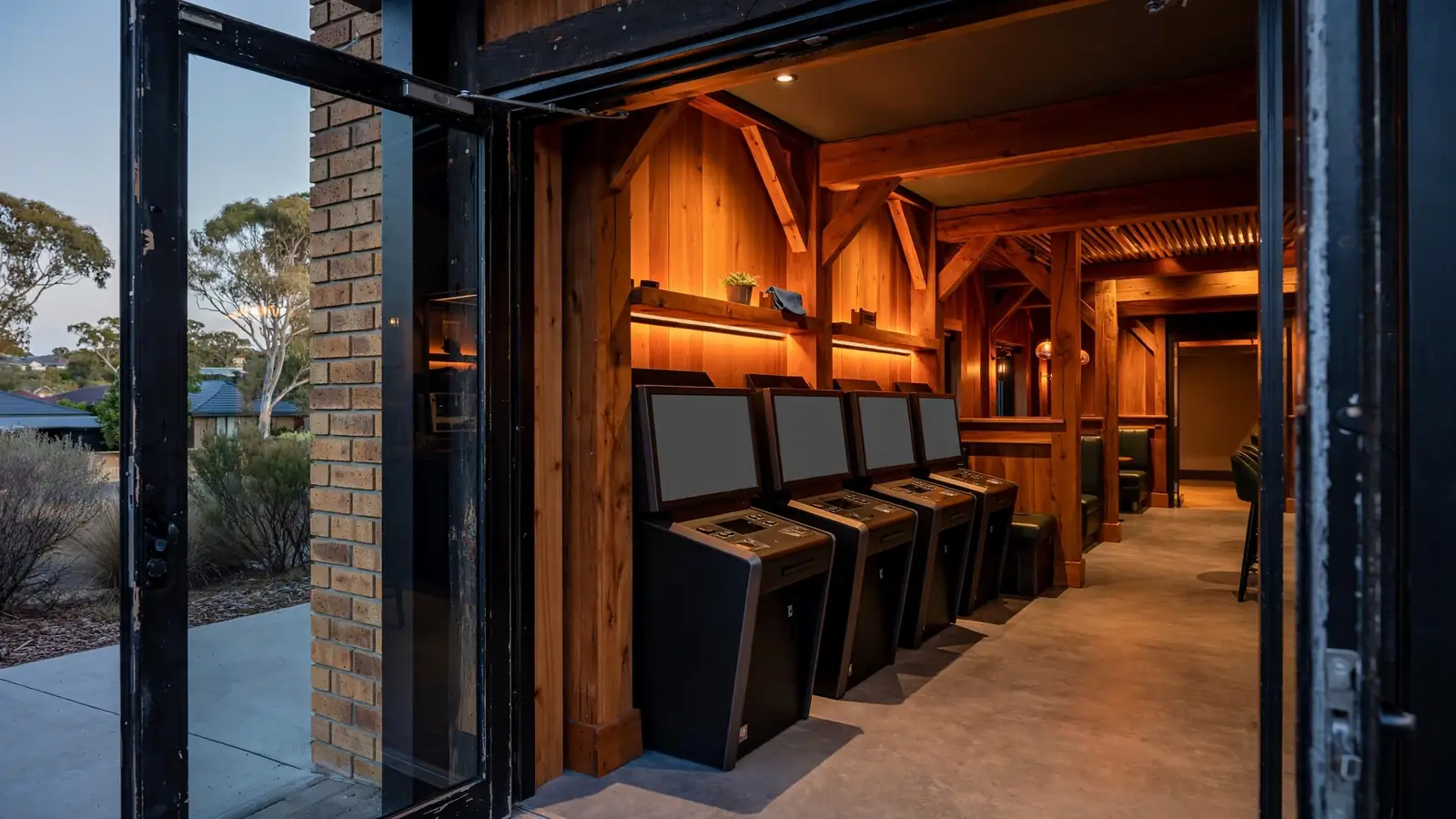
“Open now” sounds like a simple condition. For pokies in New South Wales, it contains two separate questions: whether a venue is open to the public, and whether its Electronic Gaming Machines (EGMs) are available at that time. One does not automatically answer the other. A venue’s opening hours are not, by themselves, confirmation that its machine room is operating or that play is available.
That distinction matters when plans depend on a particular hour. A listing can describe a venue’s general trading schedule, while machine access may be governed by separate arrangements. Without current, venue-specific confirmation, a search result cannot establish that pokies are available at the moment it is read. Nor does a broad claim about NSW opening times settle the position for every club or other venue across the state.
The practical check is therefore local and current: consult the venue’s own information or contact it directly, and ask specifically about EGM availability rather than relying on a general “open” label. Information can change, and a directory entry may not have been updated. A venue may be open for one purpose while access to its machine room is not confirmed. The useful answer is not a statewide timetable assembled from assumptions; it is confirmation from the place in question.
For NSW readers exploring online pokies, this list is a starting point for checking operator details and deciding what merits further research. Check applicable local rules and the terms of any service before playing.
Roby Casino
Roby Casino is listed with a Curacao eGaming license held by Roby Games Ltd.
DragonSlots Casino
DragonSlots Casino is listed with a Curacao Gaming Authority license held by Jumpman Gaming Ltd.
Thor Casino
Thor Casino is listed with a Curacao–Antillephone N.V. license, with Versus Odds B.V. named as the operator. Its minimum deposit is EUR 20.
7Bit Casino
7Bit Casino is listed as operating under a Curacao license, with Dama N.V. as its operator.
Golden Pokies
Golden Pokies is listed with a Curacao license.
Rollero Casino
Rollero Casino is listed with a Curacao Gaming Control Board license, OGL/2023/176/0095, held by Hollycorn N.V.
MrPacho
MrPacho lists crypto payouts at 30–120 minutes and fiat payouts at 24–72 hours. Its minimum deposit is A$30.
Kingmaker
Kingmaker lists crypto payouts at approximately 90 minutes and fiat payouts at 1–5 days. Its minimum deposit is A$30.
JustCasino
JustCasino is listed with a Curacao Gaming Control Board license.
WinSpirit Casino
WinSpirit Casino is listed with a Curacao eGaming license, OGL/2024/923/0383, held by Antillephone N.V. Its minimum deposit is A$30.
Early-morning searches make the distinction especially visible. Someone wondering whether pokies are available around breakfast time is not simply asking when a building opens. The venue could have hours that begin early, but that alone would not prove the machines are available then. The same applies to searches for play later in the evening. “Open late” can describe a dining room, bar or other part of a venue; it is not a reliable substitute for an answer about poker machines.
This is why claims about pokies being open at a particular hour should be treated carefully unless they name a venue and make clear what is open. A generic result may look decisive because it gives a time, but a time without a current source and a precise description is only half an answer. The clock is not the machine room.
“Open now” also has a short shelf life. A page checked earlier may not reflect a change in trading arrangements, and search listings can lag behind a venue’s own updates. For an immediate decision, direct confirmation is more useful than a statewide result. That is not a guarantee of access; it is simply the best way to distinguish a current answer from an old listing.
Opening hours are only one part of whether a visit is appropriate. In NSW, gambling on poker machines is restricted to people aged 18 and over. Venues need to check identification, and trying to gamble below the legal age can carry legal consequences. The age rule is not a detail to leave until arrival; it defines who may take part.
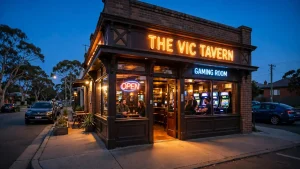 Best Pokies in Perth: Venue Hours and What to CheckLearn why Perth gaming-floor hours need venue-specific confirmation, and how “best-paying” claims differ from what broad searches can verify.
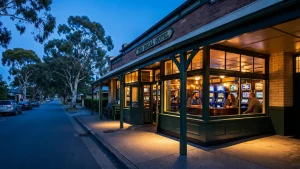 Best Pokies in Geelong: Checking What's OpenLearn why Geelong pokies listings can point to venues but cannot confirm current access, machine availability or temporary closures.
NSW also requires pre-commitment systems, through which players set a loss limit before playing. That requirement recognises something ordinary schedules tend to obscure: a venue’s timetable may be fixed, but the length and cost of a session are personal decisions. A limit set in advance makes the boundary explicit. It should not be raised in an attempt to recover losses; chasing them can turn an intended visit into a larger one. A session budget should be based on money available for leisure, not funds needed for essentials.
A question about a “payout percentage” belongs to a different matter from opening hours. The time a venue opens cannot establish what a particular machine returns, and a venue-level trading listing cannot answer a game-level question. Keeping those questions separate avoids turning an hours result into a claim about the machines themselves.
For NSW pokies open now, then, the responsible answer is not a statewide promise. It is a venue-specific check that distinguishes public opening from machine availability, paired with the legal age and pre-commitment conditions that govern play. A result saying only that a place is open leaves the central point unresolved. A little less certainty, properly earned, is more useful.
A pokie presents a neat little theatre of cause and effect: a button is pressed, symbols move, and a result appears. The theatre is convincing because the result is immediate. It can also encourage a mistaken story—that a machine is warming up, cooling down or owed a win. For online pokies, the result is generated by a Random Number Generator, or RNG. Each spin is independent; earlier results do not instruct the next one. The RNG does not keep score.
Random Number Generator
A system used in online pokies to ensure each spin is independent, meaning previous results do not influence the next outcome.
That distinction matters when people compare the best pokies in NSW or look for a game that appears to pay more. A run of losses is not evidence that a win is due, and a recent win does not make another one more likely. A game’s appearance, sound and bonus features may shape the experience, but they do not turn past spins into a forecast. The machinery offers an outcome, not a plot.
RTP, or return to player, is a theoretical percentage of wagered money that a pokie pays back over a very large number of spins. It is a measure of long-run game design, not a promise about one session. The scale matters: a figure calculated across an enormous body of play says little about what a particular person will receive in a brief visit.
So “best paying pokies NSW” is not a dependable prediction about the next result. Even where RTP information is available, it cannot identify a machine that will pay out soon, nor guarantee that a player will recover what has been spent. A theoretical return is not a personal refund. The phrase can make a game sound like a better bargain; the underlying statistic is less intimate than that.
The same caution applies when a pokie advertises bonus rounds or vivid features. Those details describe possible game events, not a reliable route to a particular return. A feature may be memorable precisely because it is uncommon. The screen is designed to make each moment legible and exciting; probability is under no obligation to make it fair in the everyday sense of the word.
 Pokies in South Australia: what the odds can tell youLearn how independent RNG outcomes differ from venue opening claims, online legality and gaming oversight in South Australia.
 Australian online pokies: legal and payment risksLearn how Australia's legal divide, bonus turnover terms, PayID and cash-out rules shape offshore play; no domestic licences have been issued for…
Progressive jackpot pokies work differently in one visible respect: a small portion of every bet is added to a shared, growing jackpot. That pool can make the prize appear to gather momentum, and the rising display gives time a number to watch. But a larger displayed jackpot does not mean that a particular spin is more likely to win it. The pool grows; the spin remains an independent event.
This is where the promise of a game can become easy to misread. A jackpot advertises a possible prize, not a timetable. The machine does not remember how long the prize has been growing, and a player’s previous losses do not improve the chance of a future result. A larger headline figure is still not a forecast.
The mechanics are worth understanding because they separate what can be stated from what cannot. RNG explains how a result is selected; independence explains why one spin does not set up the next; RTP describes a theoretical return across a very large number of plays; and a progressive jackpot describes how a prize pool accumulates. None tells a player what will happen next.
That is also why “best” needs restraint. A game may be preferred for its theme, pace or features, but those tastes are not evidence of a better individual outcome. No label can convert chance into a dependable income, and no losing run should be treated as a reason to raise stakes to win money back. Chasing losses changes the amount at risk, not the logic of the RNG. A session budget based on the available bankroll is a boundary, not a prediction. The machine makes no promises.
An offshore licence does not turn online pokies into a lawful service for people in Australia. Under the Interactive Gambling Act 2001, operators may not provide real-money online casino games, including pokies, to people physically located in Australia. That applies whether the screen shows a casino, a bonus offer or a game lobby. The border is legal as well as digital.
This distinction can get blurred in descriptions of offshore platforms. It is not a criminal offence for an Australian player simply to use one, but that does not make the service regulated here. Offshore operators sit outside Australian consumer and gambling oversight, and their foreign licence does not amount to an Australian authorisation. All gambling sites operating lawfully in Australia must hold an ILGA licence; that is not a licence available to make online casino games lawful for local players.
The practical risks follow from that gap. Disputes may have limited routes for resolution, and winnings may not be protected if an operator becomes insolvent. Promotional terms can bring their own conditions, including substantial wagering requirements, cash-out ceilings or clauses that allow winnings to be voided. An advertised no-deposit bonus is not evidence that a service is lawful, safe or accessible in NSW. A promise of high limits or better-paying games says nothing reliable about the likelihood of a return.
Access can be restricted before a game is played. Operators or software providers may use a player’s IP address to estimate the country of access and block locations they exclude. A game subject to that restriction may simply be absent from the lobby when the connection is identified as Australian; a failed loading attempt can also reflect a regional restriction. The interface may offer no explanation beyond absence. A catalogue is not a map of what is available to everyone.
 Best Pokies in Adelaide: What Rankings Can Tell YouLearn why machine rankings cannot predict payouts, and how venue hours, location, payment costs and legal limits shape Adelaide pokies searches.
 Aussie Pokies Online in Australia: Free Play and LimitsLearn what free play can and cannot show, how it differs from real-money offers, and why each pokie spin remains its own…
A specialist review has described some software providers blocking Australian access in anticipation of possible future legal changes. That is a time-sensitive account, not a settled description of every provider or game. There have also been specific historical blocks: NetEnt restricted its wide-area progressive jackpot games from Australia in mid-2016, including Mega Fortune and Hall of Gods; NYX Gaming/Next Gen titles such as Foxin’ Wins and Doctor Love were also blocked. These examples show how availability can change, not what a player in NSW can access now.
A VPN can make an internet connection appear to come from another country while the person remains in Australia. A specialist review has discussed that capability, but using a VPN to reach region-blocked pokies is against the operator’s terms of service and may lead to account suspension. It does not alter the person’s physical location or make a prohibited service lawful. Nor does it create reliable protection for a balance or a dispute.
The difference between a physical NSW venue and an online casino matters here. A search for online pokies near NSW, whether framed as real-money play or a bonus, can point towards offshore pages, but proximity on a screen is not local regulation. Sports betting remains widely accessible and legal in Australia; online casino games are treated differently. The law drew that line, even if the same phone can display both.
Legal Risk
Under the Interactive Gambling Act 2001, operators may not provide real-money online casino games to people physically located in Australia.
So the careful answer to requests for online pokies in NSW is not a list of sites or a claim about which games pay best. Offshore services are not regulated under Australian law, and online casino operators are prohibited from supplying them to people in Australia. A bonus banner cannot move that boundary.
A request for pokies near an airport sounds precise until the airport is unnamed. The same is true of a search framed around the NSW–Victoria border, a central business district or simply “near me”. These phrases describe a starting point, not a confirmed venue. They do not establish that poker machines are inside an airport, that a particular club is nearby, or that a border town has a venue matching the request.
The useful distinction is between a place name and a place that has actually been identified. A map may show clubs, hotels or other licensed premises around a broad area, but a pin alone does not establish that poker machines are operating there. Venue information should come from the venue itself or an authoritative listing, and should be checked for the specific location and current details. A nearby result can be geographically plausible and still answer the wrong question.
Airports make this especially easy to muddle. “Near the airport” might mean within a short trip of a terminal, somewhere in the surrounding district, or merely within the same metropolitan area. Those are different journeys. A result should be judged by its actual address and distance from the relevant terminal, rather than by a headline that borrows the airport’s name. The phrase “at the airport” is narrower still: it should not be inferred from a nearby map pin.
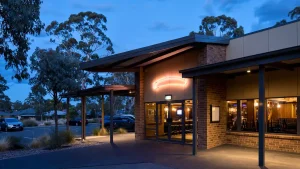 Best Pokies in Canberra: Hours and AccessLearn why a venue listing cannot confirm current opening status, and why checking directly is the soundest way to verify whether it…
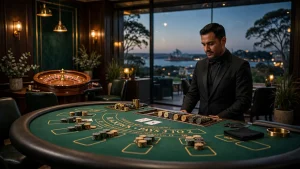 Live Dealer Casinos Online in Australia: What to KnowLearn how Australia’s online casino restrictions apply to live-dealer games, and what the available information does—and does not—establish about bonuses, payments
The CBD has a similar problem, though its boundary is less visible. A venue described as central may sit outside the area a traveller has in mind. A general CBD label cannot establish which streets or premises are meant, and a broad search cannot substitute for checking an address. This is a question of geography, not a guarantee that a machine room exists at the destination.
Across the NSW–Victoria border, the state line matters because the search can span two jurisdictions. A town name, road route or short driving distance does not by itself tell which side a venue is on. Confirm the full address and state before treating a result as relevant to NSW. The border is not a venue category.
For “near me” results, location settings can also shape what appears. The result reflects the position being used by the device or service, not necessarily the place a person intends to visit. Comparing the displayed address with the intended starting point is more reliable than trusting a broad label such as “nearby”.
At a physical venue, poker-machine gambling in NSW is for people aged eighteen or over, and venues must check identification. Non-compliance can have legal consequences. NSW also requires pre-commitment systems, through which players set a loss limit before playing. These measures do not make a venue suitable for every person or turn a location result into a recommendation.
Geography can narrow the destination. It cannot certify the machines.
In New South Wales, a club is more than a room with Electronic Gaming Machines (EGMs). It is a familiar local institution, built around the idea that recreation, food, sport and gambling can share an address. That mixture gives the machine room a particular place in public life: neither quite separate from the club nor merely incidental to it.
Scale offers one concrete way to describe a venue, though not a complete verdict on it. Among clubs across NSW, Club Liverpool leads in the number of poker machines in operation. That makes it the state’s largest club operation by this measure. It does not, by itself, establish which venue is best. A larger machine room says something about capacity, not the quality of a visit, the games available on a particular day or what any individual might win.
The distinction matters because “best” is often made to sound like a single ranking. For a club, it may mean a welcoming atmosphere, a convenient location, a meal, entertainment or simply the chance to spend time among other people. Machine count answers a narrower question. It is useful precisely because it can be stated plainly, without pretending to settle the rest.
There is also a social history in the club model. These venues have long presented gambling alongside ordinary communal activities, making the machines part of a broader leisure setting rather than an isolated destination. That arrangement can soften the appearance of risk: a screen and a spinning game sit within a building that may also feel familiar and civic. The surroundings do not change the mechanics of gambling, or make losses less real.
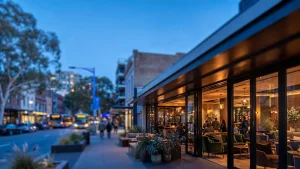 Best pokies in Sydney: location, access and legal limitsLearn how location searches differ from recommendations, and why venue hours, local access and offshore sites need separate checks.
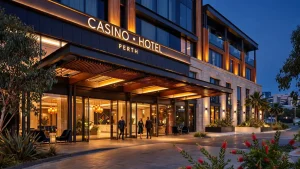 Casino Hotels in Western Australia: Stay or Online?Learn how casino stays, venue facilities and online gambling differ, including why a hotel booking is separate from an online casino account.
NSW sets the legal age for poker-machine gambling at 18. Venues must check identification for this activity, and underage gambling is unlawful. The state also requires pre-commitment systems, through which a player sets a loss limit before play. These measures place boundaries around access and spending; they do not turn gambling into a predictable expense.
A club’s scale should therefore be read as a description of its facilities, not as a recommendation to play. Any session budget belongs within money available for leisure, not funds needed for rent, groceries or other essentials. Losses are not a reason to raise bets or keep playing in an attempt to recover them. That is how an evening acquires a second, more costly purpose.
Club Liverpool’s standing among NSW clubs gives the state a clear point of comparison. It remains a comparison of machine numbers, not a promise about entertainment, outcomes or personal suitability. A large room is still only a room.
A claim that pokies are available around the clock needs to be tied to a particular venue and its current operating arrangements. “Open all night” can sound like a simple promise, but a venue’s doors, its food and bar services, and its Electronic Gaming Machines (EGMs) are not necessarily governed by one shared timetable. Without confirmed hours for a named NSW venue, a 24-hour label is not enough to establish that machines are available at any given time.
That distinction matters especially when someone is trying to find pokies open now. A result may describe a venue generally, repeat old information or use “24 hour” as a broad search label. None of those details, on their own, confirms that the gaming room is operating at the moment of arrival. Current confirmation from the venue is the practical test; a phrase on a page is not a door left open.
Attention: A venue being open does not automatically confirm that its Electronic Gaming Machines (EGMs) are available for play.
NSW pokies opening hours are therefore a venue-level question, not a statewide schedule that can safely be assumed to apply everywhere. Even a club known for a large machine room does not, by that fact alone, establish round-the-clock access. Scale and hours are different claims. One describes how many machines operate; the other says when people can use them.
There is also a human boundary around the timetable. In NSW, poker machine gambling is for people aged eighteen or older, and venues must check identification. Trying to gamble below the legal age can bring legal consequences; a late hour does not loosen that rule. NSW also requires pre-commitment systems, through which players set a loss limit before playing. They are a reminder that access is not the same as an invitation to keep going.
The rituals of late-night entertainment often make availability seem continuous: lights remain on, a building stays busy, and the night appears to have no closing edge. Gambling has a less romantic clock. A venue may be open while its machines are not, or a listing may simply fail to reflect a change. The only useful claim is one that identifies the place and confirms its present arrangements.
A late session can also make losses feel like a problem to solve before morning. They are not. A session budget should be set from available bankroll, and bets should not be raised to recover losses. The clock does not improve the odds.
So “24-hour pokies” is best treated as a description requiring confirmation, not proof of an all-night option across NSW. Check the named venue’s current information before travelling, and distinguish opening hours from machine availability. The difference is small in wording, and large at the door.
A place name can make a broad subject feel unusually concrete. Pokies in Parkes sounds like a straightforward local matter: a town, a venue, a room of machines. But a statewide fact about clubs cannot be turned into a local directory by changing the map label.
Club Liverpool has the highest number of operational poker machines among clubs in New South Wales. That is a comparison across NSW clubs; it says nothing about the number, range or availability of machines in Parkes. Nor does it establish which games, if any, are offered at a particular Parkes venue. Those are separate claims, and a town’s name cannot supply the evidence for them.
The same distinction applies to searches for pokies elsewhere in the state, including Port Macquarie. A statewide description does not identify a nearby club, confirm its machine room or establish that a particular game is there. “Best pokies” is especially slippery: it may mean a game someone enjoys, a venue with a large machine room, or a title with a feature that attracts attention. Those are not interchangeable measures, and no single NSW-wide ranking follows from the Club Liverpool comparison.
A local venue is also more than its machines. In NSW, the legal age for gambling on poker machines is 18, and venues must check identification for machine gambling. Non-compliance can carry legal consequences. The state also requires pre-commitment systems, through which players set a loss limit before playing. These rules make the venue a regulated public setting, not simply a collection of cabinets behind a door.
That matters because the language of “best” can make gambling sound like a consumer choice with a tidy winner. Pokies are not a way to make rent or grocery money appear; that hope is an illusion. A session budget should be tied to money already available for entertainment, and a loss should not be chased by increasing bets. The machine does not owe a player a correction.
Parkes remains a place, not a machine specification. The statewide club comparison can establish where one NSW club stands among clubs; it cannot be stretched into a claim about local venues, machine counts or game titles. That is a modest boundary, but an important one. Search terms travel easily. Evidence does not.
A name can make a search feel more precise than it is. “Crown” points towards a casino operator, but the name alone does not establish that a Crown venue, a particular pokies room or a particular machine is available in New South Wales. Nor does it establish that a room described as the best has any official standing. Those are separate claims, and a familiar brand cannot settle them by implication.
The distinction matters because a venue, its gaming area and the machines inside it are not interchangeable. A result about a casino operator does not confirm a NSW address; a venue reference does not confirm which Electronic Gaming Machines (EGMs) are operating there. A polished listing may collapse all three into one convenient picture. Convenient is not the same as confirmed.
“Best” is a judgement, not a machine specification. It might refer to room size, atmosphere, choice of games or personal preference, none of which can be inferred from the word Crown. A claim about the maximum cash payout is narrower still: it would need to identify the relevant machine and the conditions attached to its prize. A venue name, by itself, supplies neither a payout figure nor a promise that a particular jackpot is available.
There is a more concrete NSW rule behind the setting. Gambling on poker machines is for people aged 18 or over, and venues must check identification for this activity. Ignoring that requirement can have legal consequences; it is not a formality that turns optional when a room is busy. NSW also requires pre-commitment systems, through which a player sets a loss limit before playing. The rule places a boundary around the session before the machines begin their indifferent work.
This is one of the small ways regulation makes its values visible. The room may be designed to hold attention; the state, at least in this respect, insists that a limit be chosen in advance. Neither a prominent brand nor a “best room” label replaces those obligations.
A careful account of Crown and NSW therefore stays narrow: the name identifies an operator, not a verified local machine list, a ranking of rooms or a maximum payout. Those details should not be filled in by inference. For anyone comparing venues, the useful distinction is between what a listing claims and what the venue itself confirms about its location, operating arrangements and machines. A search result can point somewhere. It cannot, on its own, establish the destination.
Venue Verification
Confirm location and operating arrangements directly with the venue, as brand names or general listings may not reflect current machine availability.
A club described as being in a central business district can sound like a straightforward answer to a request for pokies in the city. But “CBD” is a geographic label, not evidence that a particular club has Electronic Gaming Machines (EGMs), or that a named machine is available there.
The distinction matters in New South Wales, where club gaming sits within a regulated setting rather than being an incidental amenity. Gambling on poker machines is restricted to adults: a person must be at least 18. Venues must check identification for this activity. NSW also requires players to set a loss limit before playing through a mandatory pre-commitment system. These safeguards describe the framework; they do not identify which CBD clubs operate machines or establish what a particular room offers.
“Best” is harder still to pin down. It might mean a convenient location, a broad choice of games, or simply a venue someone already knows. None of those impressions confirms a machine lineup or makes one club objectively preferable. A street address and a gaming claim need to be checked together, rather than treating a city-centre label as proof.
Self-exclusion belongs to a different part of the picture. The phrase refers to stepping away from gambling, but it does not establish the process, participating venues or coverage available at any particular club. Those details should not be inferred from a general reference to NSW clubs. The practical point is modest: a person considering exclusion needs information tied to the relevant venue or formal scheme, not an assumption that every club handles it identically.
Clubs are social institutions as well as places where machines may be found. Their role can include meals, sport and community gatherings; the presence of those familiar functions does not settle whether a specific venue has pokies. Nor does a search for CBD clubs turn an unconfirmed name into a reliable recommendation. Location first, machine availability second, and the rules that govern play around both. A less glamorous order, but a more honest one.
Newcastle is a useful place-name for narrowing a venue search, but it does not by itself identify a particular club, its Electronic Gaming Machines (EGMs), or the games available there. A “best pokies” list needs more than a city label: it would need reliable venue-level details and a clear basis for comparing them. Without that, a ranking would turn a location into a claim it cannot support.
Cashless gaming is a separate question. The phrase describes a payment format, not proof that a particular NSW venue has introduced it or that its machines accept a particular method. Nor does a cashless label establish how spending controls work. NSW has mandatory pre-commitment systems in which players set a loss limit before playing; that rule should not be mistaken for evidence about the payment arrangements at an individual Newcastle venue.
The distinction matters because payment mechanics can make spending feel less tangible without changing the underlying risk. A budget set before a session is more meaningful than a balance watched only after play begins. Losses are not a reason to raise stakes or keep playing in an attempt to recover them. That is how a limit becomes a moving target.
Poker-machine gambling in NSW is restricted to people aged 18 or over, and venues must check identification. These requirements are part of the setting, not optional details attached to a machine or payment system.
A careful account of Newcastle pokies therefore keeps three matters apart: the venue’s location, the games it offers, and whether cashless gaming is available there. Evidence about one does not settle the others. The same caution applies to claims that cashless arrangements make gambling safer: a payment method cannot remove the chance of loss or substitute for a self-imposed session budget.
For anyone comparing local options, the useful question is not whether a phrase sounds current, but whether a venue itself clearly confirms its facilities and rules. A search label is not a venue notice. The sensible boundary remains plain: set a session budget according to available means, and stop when it is reached.